Far infrared treatment on the arteriovenous fistula induces changes in sVCAM and sICAM in patients on hemodialysis
Abstract
Introduction.
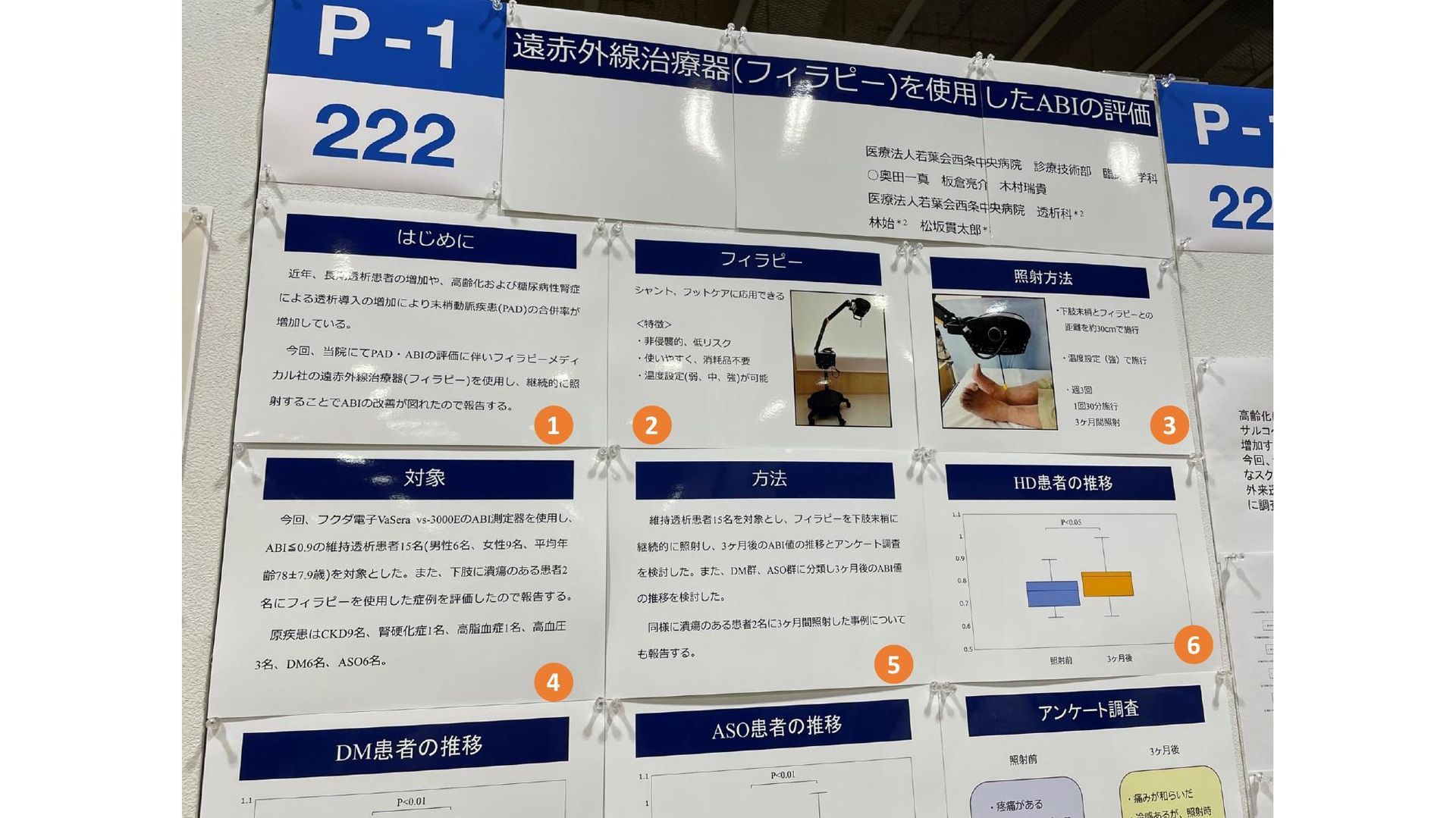
There is a substantial risk of developing stenosis and dysfunction in the arteriovenous fistula (AVF) in patients on hemodialysis (HD). Far infrared radiation (FIR) is a noninvasive local intervention with a potentially beneficial effect on AVF patency. The underlying mechanism is not clear. It was hypothesized that a single FIR treatment reduces factors of inflammation and promotes endothelial vasodilators in the AVF.
Methods. Forty HD patients with an AVF were included in an open-label intervention study. Patients were randomized to receive either FIR (FIR group) or no FIR (control group). Blood samples were drawn directly from the AVF and from a peripheral vein in the non-AVF arm before (T0) and 40 min after (T40) treatment during a HD session. The changes [median (interquartile range)] in circulating factors of inflammation, endothelial function and vasoreactivity during FIR were measured.
Results. In the AVF a single FIR treatment during dialysis resulted in a significantly diminished decrease in soluble vascular cell adhesion molecule, sVCAM [−31.6 (−54.3; 22.1) vs −89.9 (−121.6; −29.3), P = .005] and soluble intercellular adhesion molecule, sICAM [−24.2 (−43.5; 25.3) vs −49 (−79.9; −11.6), P = .02] compared with the control group. Other factors, such as interleukins, nitrite, nitrate and tumor necrosis factor 1, also declined during dialysis, but with no significant differences related to FIR in either the AVF or the non-AVF arm.
Conclusion. A single FIR treatment attenuated the decrease in sVCAM and sICAM in the AVF compared with a control group during HD. Findings do not support the hypothesis of a vaso-protective effect of FIR. The long-term effects of FIR on the AVF are unknown.
-Nephrol Dial Transplant (2023) 38: 1752–1760
Want to know more?
Contact us for more detail