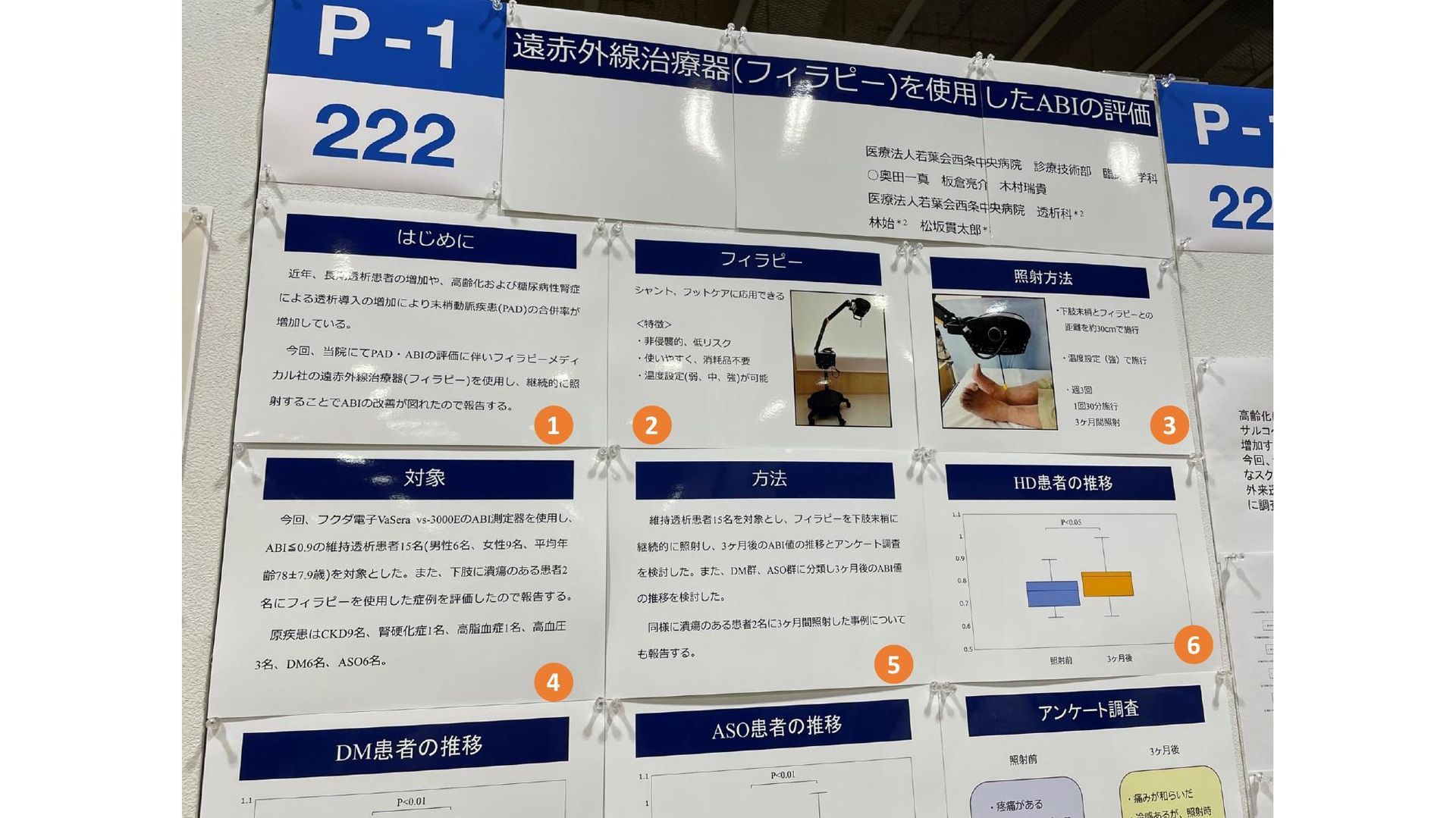
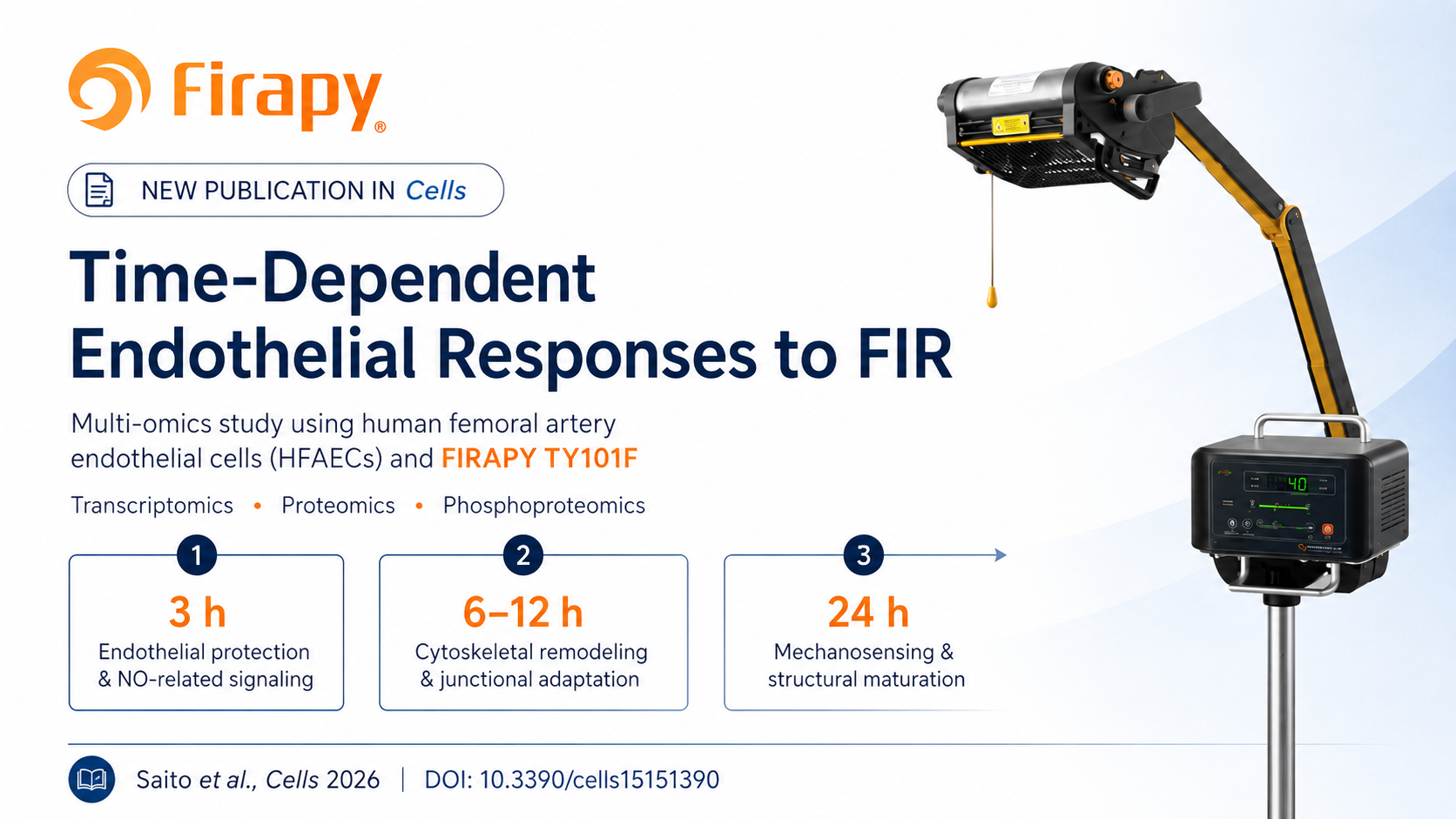
Far-Infrared Therapy: A Novel Treatment to Improve Access Blood Flow and Unassisted Patency of Arteriovenous Fistula in Hemodialysis Patients
Abstract
Vascular access malfunction, usually presenting with an inadequate access flow (Qa), is the leading cause of morbidity and hospitalization in hemodialysis (HD) patients. Many methods of thermal therapy have been tried for improving Qa but with limited effects. This randomized trial was designed to evaluate the effect of far-infrared (FIR) therapy on access flow and patency of the native arteriovenous fistula (AVF). A total of 145 HD patients were enrolled with 73 in the control group and 72 in the FIR group. A WS TY101 FIR emitter was used for 40 min, and hemodynamic parameters were measured by the Transonic HD02 monitor during HD. The Qa1 /Qa2 and Qa3 /Qa4 were defined as the Qa measured at the beginning/at 40 min later in the HD session before the initiation and at the end of the study, respectively. The incremental change of Qa in the single HD session with FIR therapy was significantly higher than that without FIR therapy (13.2 114.7 versus 33.4 132.3 ml/min; P 0.021). In comparison with control subjects, patients who received FIR therapy for 1 yr had (1) a lower incidence (12.5 versus 30.1%; P < 0.01) and relative incidence (one episode per 67.7 versus one episode per 26.7 patient-months; P 0.03) of AVF malfunction; (2) higher values of the following parameters, including (Qa4 Qa3 ) (36.2 82.4 versus 12.7 153.6 ml/min; P 0.027), (Qa3 Qa1 ) (36.3 166.2 versus 51.7 283.1 ml/min; P 0.035), (Qa4 Qa2 ) (99.2 144.4 versus 47.5 244.5 ml/min; P < 0.001), and (Qa4 Qa2 ) (Qa3 Qa1 ) (62.9 111.6 versus 4.1 184.5 ml/min; P 0.032); and (3) a better unassisted patency of AVF (85.9 versus 67.6%; P < 0.01). In conclusion, FIR therapy, a noninvasive and convenient therapeutic modality, can improve Qa and survival of the AVF in HD patients through both its thermal and its nonthermal effects.
-J Am Soc Nephrol 18: 985–992, 2007. doi: 10.1681/ASN.2006050534
Want to know more?
Contact us for more detail