Saijo Chuo Hospital: 3-Month FIRAPY Improves ABI in Dialysis Patients — A Clinical-Engineer-Led Program
Introduction
Saijo Chuo Hospital in Hiroshima Prefecture is a maintenance dialysis center that has established a systematic FIRAPY program for patients with ABI-defined peripheral artery disease. What is unusual about the Saijo experience is that the program is led by the Clinical Engineering department — the technical staff responsible for dialysis equipment operation — rather than by the nephrology team alone. This reflects how FIRAPY has become embedded into the routine technical workflow of Japanese dialysis units.
Study Design
At the 2023 Japanese Society for Dialysis Therapy (JSDT) congress, the Saijo team presented a poster titled
"Evaluation of ABI Using FIR Therapy Device FIRAPY". Fifteen maintenance dialysis patients with ABI ≤0.9 (6 male, 9 female, mean age 78 ± 7.9 years) received continuous FIR irradiation to the lower limbs.
Underlying conditions in the cohort:
- Chronic kidney disease: 9 patients
- Nephrosclerosis: 1
- Hyperlipidemia: 1
- Hypertension: 3
- Diabetes mellitus: 6
- Atherosclerosis obliterans (ASO): 6
Protocol
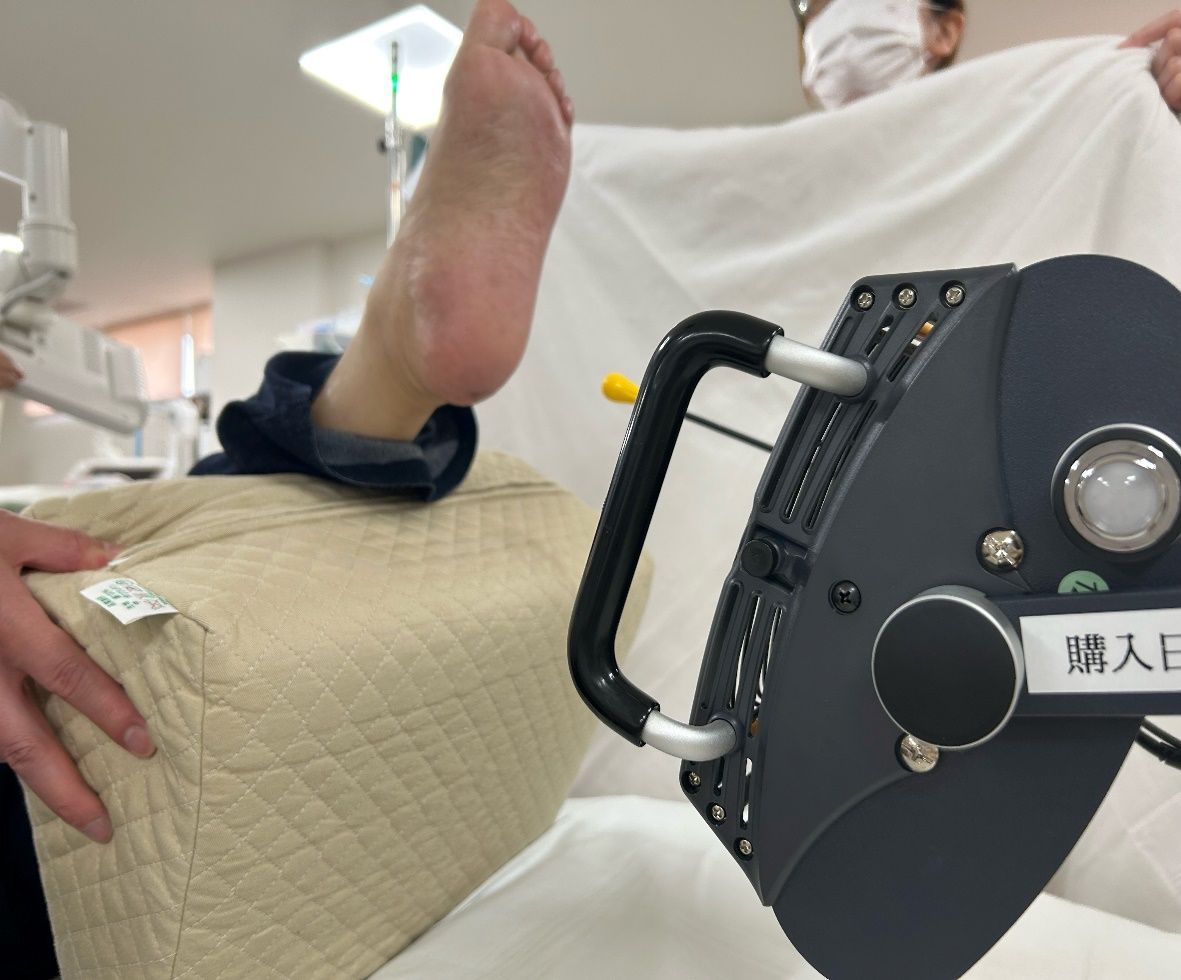
- Device: FIRAPY (WS Far Infrared Medical Technology)
- Distance: approximately 30 cm between the lower extremity and the FIR emitter
- Temperature setting: high
- Frequency: 3 sessions per week, 30 minutes per session
- Duration: 3-month continuous programme
- Measurement: ABI assessed using Fukuda Electronics VaSera VS-3000E before and after the 3-month intervention
Result
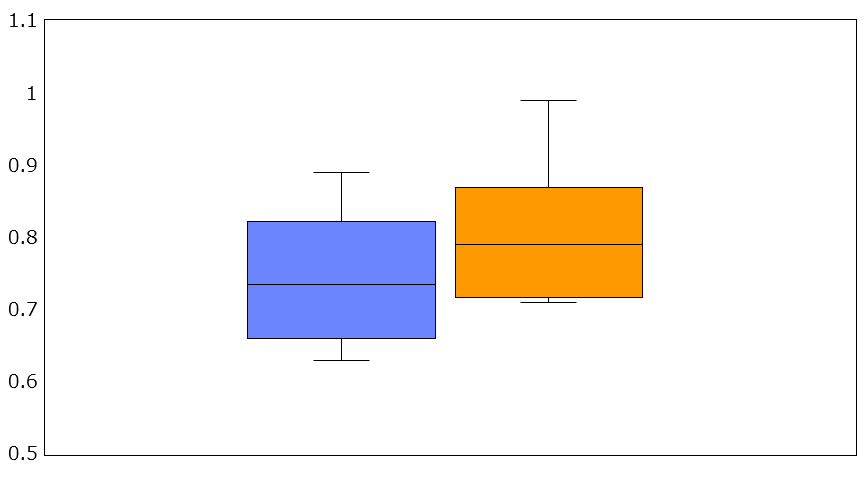
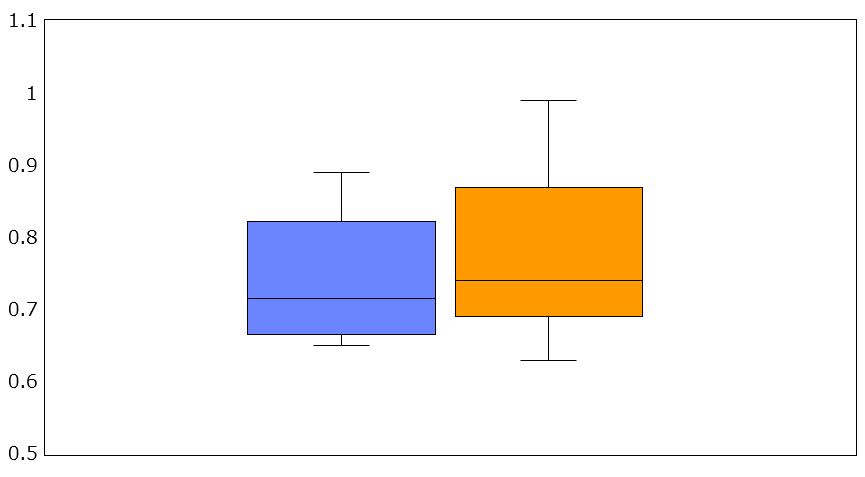
All patients (n=15): ABI improved from 0.74 ± 0.07 to 0.81 ± 0.10 (p<0.05) after 3 months of FIRAPY.
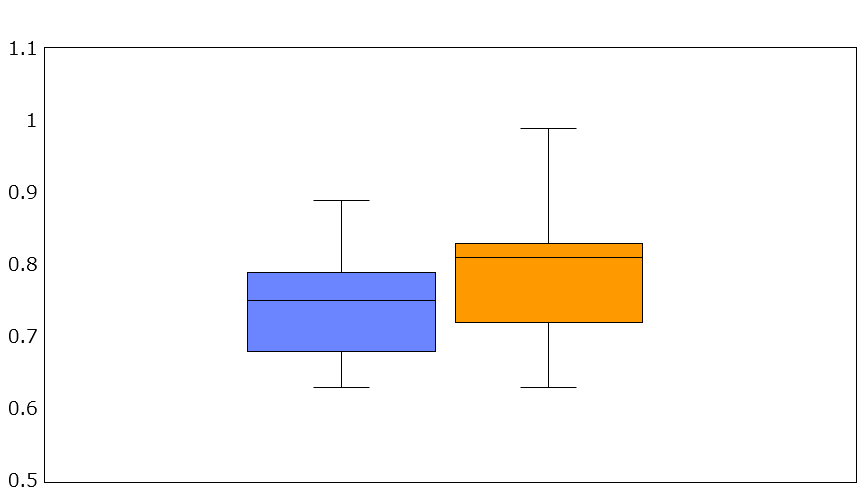
Subgroup analysis showed statistically significant improvement in both diabetic and atherosclerosis obliterans populations — the two most vascularly compromised groups:
- Diabetic patients (n=6): ABI 0.75 ± 0.09 → 0.80 ± 0.10, p<0.01
- ASO patients (n=6): ABI 0.73 ± 0.08 → 0.78 ± 0.10, p<0.01
Beyond ABI, patients reported in the survey:
- "Pain has been relieved"
- "Cold sensation remains, but feels warm and pleasant during irradiation"
- "Leg cramps have become less frequent"
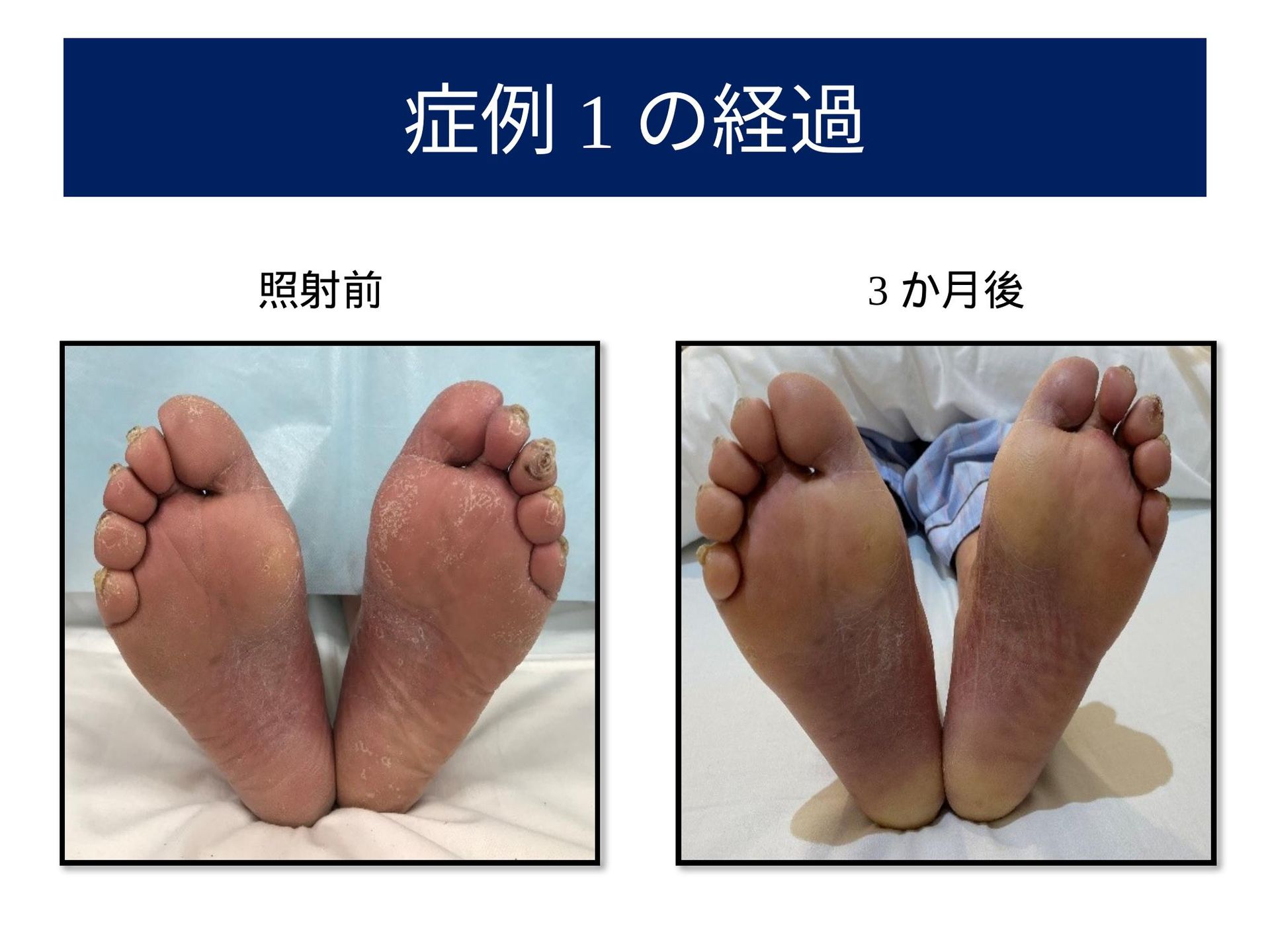
Case example. An 83-year-old man on dialysis for 3 years with hypertension and ASO. CT showed severe lower leg arterial calcification and stenosis prompting prior endovascular treatment on the left lower limb; PAD assessment noted poor peripheral circulation with dark-purple discoloration of the distal foot and dry, thickened skin with cold sensation.
Conclusion — Cross-National Evidence Chain
The Saijo results align with earlier ABI-based FIR studies from Taipei Veterans General Hospital (Chen and Lin, Heart Vessels 2019) and Kaohsiung Medical University (Chen 2016, IJMS), forming a
cross-national evidence chain that supports ABI as a valid endpoint for FIRAPY in dialysis PAD care.
The Saijo experience reinforces two important messages: that
FIRAPY produces measurable objective improvement in vascular indices even in an elderly, highly comorbid dialysis population, and that its
safe, straightforward operation makes it well-suited to systematic clinical-engineer-led deployment across dialysis units — expanding the workforce that can safely deliver FIR therapy beyond nephrology teams alone.
Presented at: JSDT 2023 Congress (Poster P-1 222)
Authors: Okuda K, Itakura R, Kimura M (Clinical Engineering Department); Hayashi H, Matsuzaka K (Dialysis Department)
Site: Saijo Chuo Hospital, 医療法人若葉会, Hiroshima, Japan
Author's:
- Kazuma Okuda, CE
- Ryosuke Itakura, CE
- Mizuki Kimura, CE
- Hajime Hayashi, MD
- Kantaro Matsuzaka, MD
Site:
- Saijo Chuo Hospital
Presented at the 2023 JSDT Conference.
Want to know more?
Contact us for more detail